
Anuncios
Can a few quick checks really make your device feel brand new again?
If you want faster app opens, smoother scrolling on the screen, and fewer freezes, this short guide starts where fixes actually work.
Many android phones slow down over time even when nothing is broken. Apps grow heavier, cached files pile up, and free memory and storage shrink.
This section previews fast, safe ways to boost performance. You’ll try quick wins that take minutes, then deeper storage and settings steps if needed.
Empieza aquí: restart, cut home screen clutter, clear browser data, update software, free storage, then tweak settings and Developer options as a last step.
We diagnose the most likely causes first—background activity, low space, cache, old software, battery wear, or hardware limits—so you don’t waste time on random fixes.
This guide is written for US users and works across major brands like Samsung Galaxy, Google Pixel, and OnePlus, with minor menu wording differences.
Why your Android phone feels slow over time
Small, repeated loads—like constant syncing and cache growth—are common reasons an android phone seems sluggish.
Too many apps running and heavy multitasking
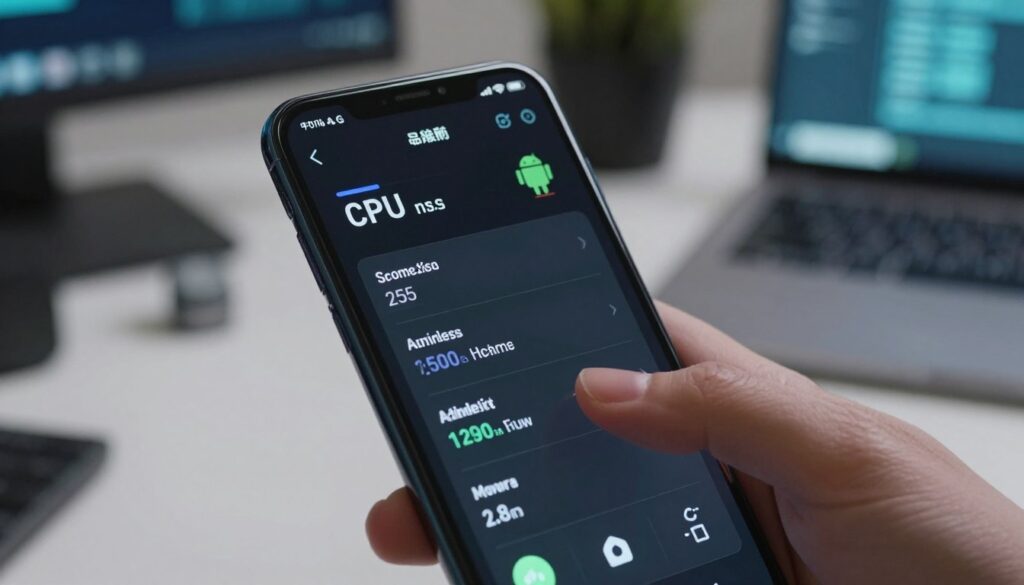
Even when you’re not using an app, it can sync data, check messages, or run services in the fondo. Those tasks compete for memory and CPU, which causes slow app switching, stuttering animations, and delayed taps.
Low storage, junk files, and cache buildup
Limited storage hurts overall actuación. The system needs space to manage temporary files and updates. Cache is saved temporary data meant to speed loading, but when it grows too large it can clog storage and slow the device.
Outdated software, weak networks, and malware
Old Android versions or apps may contain bugs that reduce speed. Unstable Wi‑Fi or cellular data can make things feel slow even when the device is fine. If your phone heats, shows pop-ups, or drains battery fast, consider malware as a culprit.
Battery degradation, overheating, and hardware limits
Aging batteries can limit peak power and cause throttling. Overheating or faulty hardware parts also create stutters or restarts.
| Cause | Symptom | Verificación rápida |
|---|---|---|
| Background apps | Slow switching, lag | Check active apps in Settings |
| Low storage / cache | Sluggish UI, delayed saves | View Storage > Clear cache or files |
| Outdated software | App crashes, inconsistent speed | Update OS and apps |
| Battery / hardware | Throttling, restarts | Run battery health and temp checks |
Diagnose before you fix: start with simple checks—restart, free a little space, and update apps—then move to deeper storage and settings options if the device still lags.
SPEED UP MY PHONE with quick wins you can do in minutes
You can fix common slowdowns with a handful of simple steps that take only minutes.
Restart to clear temporary memory and glitches
Press and hold the power button until the on-screen menu appears and tap Reanudar. That frees short-term memory and stops stuck processes.
If the screen is frozen, hold power + volume down for about 10 seconds to force a reboot.
Reduce home screen clutter and active widgets
Too many widgets and live tiles cause background work. Remove widgets you don’t use and keep only core apps on the home screen for a cleaner feel.
Clean your browser and update software
Close unused tabs and clear browsing data if pages load slowly. Note: clearing data may sign you out of sites.
Open Play Store → profile/menu → Manage apps & device → Update all. Then go to Settings → Software update (or System update) and install any available updates.
| Quick task | Por qué ayuda | How to do it |
|---|---|---|
| Reanudar | Releases memory and stuck processes | Power button → Restart or force restart (power + volume) |
| Declutter home | Reduces background refresh and visual lag | Remove widgets, limit icons to most-used apps |
| Browser cleanup | Speeds page loads and reduces tab memory | Close tabs → Clear cache/data in browser settings |
| Update apps & system | Fixes bugs and improves stability | Play Store → Update all; Settings → System/Software update |
Consejo: Make these steps a weekly habit to keep the device responsive and extend daily battery life.
Free up space and reduce background activity for better performance
Freeing storage and stopping needless background tasks gives the fastest, most reliable boost to an older phone.
Por qué esto es importante: When storage is tight the system has less room to manage temporary files, updates, and smooth app behavior. That creates lag, slow launches, and longer save times.
Uninstall forgotten apps that eat storage
Long-press an app icon on the home or app drawer and pick Uninstall. If the option is hidden, open the Play Store, find the app, and uninstall from there.
As you remove apps, check permissions. Deleting unused apps protects both storage and personal data.
Delete old downloads and large files
Open Files (Files by Google / My Files / File Manager). Start in Downloads, then review Large files. Delete or move items to Google Drive to reclaim space.
Clear app cache and remove junk safely
Go to Settings → Apps → select an app → Storage → Clear Cache. This removes temporary data without affecting accounts.
If you have Files by Google: open the app, tap Clean, and remove junk files to free space quickly.
Manage photos and media
Large videos and duplicate images take gigabytes. Move media to cloud storage or offload to a computer. Remove offline playlists and old downloads to reduce memory pressure.
Limit background processes in Developer options
Enable developer options only if comfortable. Path (example): Settings → System → Developer options → Background process limit.
Choose Standard or a modest cap like “At most 2”. Avoid “No background processes” unless troubleshooting—strict limits can break notifications and multitasking.
| Acción | Por qué ayuda | How to do it |
|---|---|---|
| Desinstala las aplicaciones que no uses. | Frees storage and cuts background tasks | Long-press icon → Uninstall or Play Store → Uninstall |
| Clean Downloads & Large files | Recovers space for system tasks | Files app → Downloads / Large files → Delete or Move |
| Clear app cache | Removes temporary data safely | Settings → Apps → App → Storage → Clear Cache |
| Limit background processes | Reduces stray services and CPU load | Settings → System → Developer options → Background process limit |
Optimize settings that impact speed, battery life, and responsiveness
You can make noticeable responsiveness gains by changing a handful of system and app settings.
Adjust animation scale in Developer options to make your phone feel snappier
Reducing animations affects both perception and reality. When animations draw faster, the system spends less time rendering effects and your taps feel instant.
To enable developer options: go to Settings > About phone > Software information, tap Build number seven times, and confirm your PIN if prompted.
In Developer options, change Window animation scale, Transition animation scale, and Animator duration scale from 1x to 0.5x or Off for a snappier interface.
Quick test: return to the home screen, open and close three frequently used apps, and compare how fast screens appear.
Turn off extras that drain resources and tighten app permissions
Background-heavy features like auto-sync, wide location access, and constant background data waste battery and reduce performance.
Use Settings > Privacy > Permissions Manager to review Location, Camera, Microphone, and Contacts. Set access to “Allow only while using” or “Don’t allow” where appropriate.
Consejo: Fewer permissions often mean fewer background processes, less data transfer, and longer battery life without harming everyday use.
| Configuración | Beneficio | How to adjust |
|---|---|---|
| Window / Transition / Animator scale | Faster screen transitions | Developer options → set to 0.5x or Off |
| Permissions Manager | Less background activity and data use | Settings → Privacy → Permissions Manager → adjust per app |
| Auto-sync & background data | Reduced resource drain and better battery life | Accounts or Data settings → disable for unused accounts/apps |
Balance: Turning animations off can seem abrupt. Use a reduced scale if you prefer smoother visuals. Try battery saver mode only when you need extra life, not all the time.
Conclusión
A few routine checks and tidy habits will keep your device running well for longer.
Best order: start with quick steps — restart, remove home screen clutter, and update apps. Then reclaim storage and clear files, and finally tweak animation and permission settings in Developer options.
Do weekly restarts and a monthly clean of files and unused apps. If performance still lags, run a malware scan and review suspicious apps. As a last major step, back up your data and use the factory reset option in Settings → Reset.
If a reset does not help, aging hardware or a worn battery may be the limiter; repair or replacement might be needed. For extra tools and guidance, see how to speed up Android.
Takeaway: repeat these small steps and you’ll extend the useful life of your phones, protect data, and keep the system feeling snappy without unnecessary upgrades.
Preguntas frecuentes
Why does my Android phone slow down over time?
Your device can feel sluggish because many apps run in the background, storage fills with junk and cache, software falls behind on updates, and hardware issues like battery wear or overheating reduce performance.
How do background apps affect performance?
Apps left open or allowed to run in the background use RAM, CPU, and battery, which slows multitasking and makes animations and app launches lag. Close or restrict apps you rarely use to free resources.
Can low storage really make apps run slower?
Yes. Android needs free storage for temporary files and virtual memory. When space is tight, app installs, updates, and background processes stall, and overall responsiveness drops. Free up space to restore speed.
What quick actions can I take in minutes to improve responsiveness?
Restart your phone to clear temporary memory, close unused apps, remove excess home screen widgets, clear browser data, and install pending app and Android OS updates for immediate gains.
How often should I restart my phone?
Restarting once every few days helps clear cached processes and temporary glitches. If you notice persistent slowdowns or overheating, restart immediately to reset system resources.
Which apps should I uninstall to free storage?
Remove apps you didn’t use in months, preinstalled bloatware you can uninstall, and large apps you rarely open. Check Settings > Apps to see storage and battery use before deleting.
How do I safely delete downloads and large files?
Open your Files or Downloads app, sort by size or date, and remove duplicates, old installers, and large videos you’ve already backed up. Use cloud storage for photos to reclaim local space.
What’s the difference between clearing cache and clearing app data?
Clearing cache removes temporary files and often fixes slow behavior without losing personal settings. Clearing app data resets the app to its original state and can erase logins and preferences.
How can I manage photos and media without losing them?
Back up photos to Google Photos, OneDrive, or another cloud service, then remove local copies or enable high-quality backups. Use the Files app to find large media and move or delete safely.
What are Developer options and how do they help performance?
Developer options include settings like limiting background processes and changing animation scales. Use them carefully: limiting processes can improve speed but may stop background syncing for certain apps.
How do I enable Developer options and adjust animation scale?
Go to Settings > About phone and tap Build number seven times to enable Developer options. Then open Developer options and reduce Window, Transition, and Animator scale to 0.5x or turn them off for a snappier feel.
Will turning off animations harm my phone?
No. Turning off or reducing animations only changes how transitions look; it doesn’t affect core functionality. You may notice a less smooth visual experience but faster perceived responsiveness.
Which settings drain battery and slow the device the most?
Always-on services like Bluetooth, location, background app refresh, live wallpapers, and aggressive widget updates consume CPU and battery. Disable or limit these to improve battery life and speed.
How important are OS and app updates for performance?
Very important. Updates include security patches, bug fixes, and performance optimizations. Keep apps and the Android OS current to benefit from stability and speed improvements.
Could malware cause my phone to slow down?
Yes. Malicious apps can run hidden processes, display ads, and use resources. Scan with a reputable security app, review installed apps for anything unfamiliar, and uninstall suspect software.
When should I consider a factory reset?
Try a reset if performance problems persist after clearing cache, uninstalling apps, and updating software. Back up your data first; a factory reset restores system files and often resolves deep software issues.
How can I monitor which apps use the most battery and data?
Go to Settings > Battery to see battery usage and Settings > Network & internet > Data usage to view data-hungry apps. Restrict background activity or uninstall high-usage apps if needed.
Does using a lighter launcher or fewer widgets help?
Yes. Switch to a simpler home launcher and remove live widgets to reduce CPU and memory use. A clean home screen improves app launch times and lowers battery drain.
What steps help prevent future slowdowns?
Keep free storage above 10–15%, update software regularly, uninstall unused apps, back up media to cloud storage, limit background processes, and restart your phone periodically to keep performance steady.