
Anuncios
¿Alguna vez te has preguntado? ¿Por qué un torneo corto y de alta tensión puede sentirse tan diferente a una temporada larga y agotadora?
Esta guía te ayuda a revivir momentos deportivos icónicos sin necesidad de profundizar en los detalles. Obtendrás resúmenes rápidos, definiciones claras y notas concisas sobre su importancia, en lugar de una lista aburrida de ganadores.
Espere una lectura en formato de lista. que alterna entre el béisbol internacional, como el Clásico Mundial de Béisbol, los enfrentamientos estadounidenses, como la Serie Mundial, y los formatos modernos de lucha libre profesional, como el AEW Continental Classic.
Contrastamos la tensión de un evento eliminatorio rápido con la prueba de resistencia de una temporada para que puedas descubrir qué hace que cada tipo de grandeza sea especial.
Consejo de organización: Puedes consultar la lista por año, por liga o por equipo, según lo que quieras revivir hoy.
Conclusiones clave
- Obtendrás un contexto rápido y claro para cada evento destacado.
- Los periodos cortos generan presión inmediata; las temporadas premian la constancia.
- Los ejemplos abarcan el béisbol internacional, las series de partidos estadounidenses y los formatos de lucha libre profesional.
- El artículo se puede consultar rápidamente por año, liga o equipo.
- Cada elemento explica no solo el resultado, sino también por qué era importante.
Lo que revivirás en esta guía de torneos pasados e historia del campeonato.
Espere análisis breves y concisos que expliquen por qué ciertos años y partidos fueron importantes más allá del marcador.
Cómo se seleccionaron los momentos
Verás artículos seleccionados por su claro impacto cultural, las implicaciones que conllevan y un resultado transparente y verificable. La selección se basa en la influencia y la claridad, no solo en el gusto personal.
Cómo definimos los “mejores momentos” a lo largo de las distintas épocas
“Los mejores momentos” se refieren a jugadas o carreras memorables que cambiaron la percepción, no a una comparación estadística perfecta entre diferentes reglamentos. Esto garantiza la equidad entre los distintos deportes.
Glosario rápido y elementos de selección
| Término | Significado simple | Por qué es importante | Anclaje utilizado |
|---|---|---|---|
| torneo | Evento corto con eliminación o todos contra todos. | Crea juegos de alta presión | Ganador, subcampeón |
| liga | Competición a lo largo de toda la temporada | Recompensa la constancia a lo largo del tiempo. | Campeón, récord |
| semifinales | Ronda previa a la final | A menudo el punto de inflexión | Jugador más valioso, ganadores |
| registro | Línea estadística o marca histórica | Muestra un logro duradero | Totales de la temporada |
También encontrarás al menos una razón por la que ese año fue importante, más allá del resultado final. Separamos los resultados oficiales de las anécdotas de los aficionados para que tu experiencia sea objetiva. Los ganadores, finalistas y jugadores más valiosos sirven como puntos de referencia para que puedas seguir la historia fácilmente.
Desde los grandes torneos hasta los clásicos de la liga: los momentos que definen a los campeones
Un solo año puede cambiar la forma en que recuerdas un trofeo, Porque el contexto convierte las estadísticas en historias.
Si analizas un campeonato año tras año, notarás cambios en las reglas, movimientos en las plantillas y rivales emergentes que transforman el significado de la victoria.
Por qué el contexto año tras año cambia la forma en que recordamos a un ganador.
Al analizar un año específico, se pueden observar los obstáculos a los que se enfrentó un equipo. Las lesiones, los imprevistos en el calendario o un cambio repentino en las reglas pueden hacer que una victoria se sienta como una revancha.
Recordar el camino recorrido le da profundidad al ganador. Valorarás más las victorias decisivas, las remontadas y los cambios tácticos que un simple resultado final.
Cómo los clásicos de la liga construyen una historia a largo plazo
Un campeonato en una temporada larga añade matices: las dinastías, las sequías y las rivalidades acumulan significado a lo largo de las décadas.
Esos enfrentamientos recurrentes y situaciones de casi victoria convierten títulos individuales en referentes culturales que se pueden revivir como arcos argumentales.
- Elige un año, anota los momentos más importantes en juego y luego traza el camino más difícil para conseguir el título.
- Identificar puntos de inflexión: un traspaso a mitad de temporada o una nueva regla que alteró los resultados.
- Utiliza las rivalidades y las rachas de sequía para ver por qué algunas victorias se convierten en clásicos.
| Enfocar | Lente de año | Significado de ganador | Por qué es importante |
|---|---|---|---|
| Cambio de reglas | Impacto a corto plazo | El ganador se adapta rápidamente | Muestra flexibilidad táctica |
| Cambio de turno | Narrativa de la temporada | El ganador refleja profundidad | Aspectos destacados de la construcción del equipo |
| Rivalidad | Contexto plurianual | El ganador obtiene conocimientos | Crea una historia perdurable |
| Formato de playoffs | Presión específica del año | El ganador demuestra resiliencia | Cambia la forma en que revives los momentos |
Manual de jugadas rápido:Elige un año, identifica los momentos más importantes y luego observa el desarrollo de los acontecimientos. Este sencillo método convierte los momentos más destacados en historia y te ayuda a revivir por qué cada campeonato fue único.
Historial del Clásico Mundial de Béisbol que puedes consultar por año, ganador y MVP.
Siga el recuento de glóbulos blancos como una línea de tiempo simple. para que siempre sepas cuál añoEl ganador y el jugador destacado fueron importantes. El evento de 2023 fue la quinta edición y también sirvió como la edición de 2021, que se retrasó debido a la pandemia.
Verás por qué el Clásico Mundial de Béisbol es importante para los aficionados estadounidenses: es uno de los pocos escenarios donde las estrellas de las Grandes Ligas visten camisetas nacionales y la identidad nacional influye en cómo se ve el partido.
Por qué el Clásico Mundial de Béisbol es importante para los aficionados estadounidenses y el béisbol internacional.
Internacional equipos Aportan estilos y puntos de presión diversos. Ese contraste hace que el evento se sienta diferente a la postemporada regular de la MLB.
Cómo las semifinales y el partido final dan forma a la narrativa del torneo.
Las rondas finales a menudo definen todo torneoUna sola semifinal puede borrar el contexto de la fase de grupos y crear un clásico instantáneo.
- Resumen de 2023: Japón terminó invicto y venció a México tras una remontada en las semifinales.
- Posteriormente, Japón venció a Estados Unidos por 3-2 en el partido final.
- Japón ahora tiene tres títulos del CMB (2006, 2009, 2023), lo que equivale a 60% títulos del CMB.
| Año | Ganador | Momento clave |
|---|---|---|
| 2006 | Japón | El primer título del CMB estableció el estándar inicial. |
| 2009 | Japón | Los títulos consecutivos demostraron consistencia. |
| 2023 | Japón | Racha invicta, remontada en semifinales, final 3-2 contra Estados Unidos. |
Nota rápida: El WBC regresa en 2026. Usa el filtro año → ganador → MVP y mantendrás los resultados y las apuestas claros al leer rápidamente.
Lista de ganadores del Clásico Mundial de Béisbol y momentos destacados a lo largo de los años.
La lista de campeones del CMB parece un resumen de los mejores momentos. De lanzamientos decisivos, hazañas heroicas en las últimas entradas y orgullo nacional. A continuación, encontrarás una lista clara de ganadores y breves notas que explican por qué cada título sigue siendo importante al revivir los juegos.
Lista de ganadores impecable (años, ganador, MVP)
| Año | Ganador | MVP |
|---|---|---|
| 2006 | Japón | Daisuke Matsuzaka |
| 2009 | Japón | Daisuke Matsuzaka |
| 2013 | República Dominicana | Robinson Canó |
| 2017 | Estados Unidos | Marcus Stroman |
| 2023 | Japón | Shohei Ohtani |
Las rachas de títulos de Japón y lo que revelan sobre la consistencia.
Los tres campeonatos ganados por Japón (2006, 2009 y 2023) demuestran que repetir un título en un evento de formato corto requiere profundidad y serenidad bajo presión.
Por qué destaca: Un equipo que gana año tras año se adapta a los cambios en la plantilla y en los equipos de reclutamiento, lo que hace que cada título se sienta como una prueba de la fortaleza del sistema en lugar de una racha de éxito puntual.
El momento cumbre del campeonato para el equipo de EE. UU. y la presión de ser anfitrión.
El título estadounidense de 2017 tuvo un peso especial debido a las altas expectativas en casa. Cuando los aficionados esperan una victoria, cada partido reñido se convierte en una noticia más importante.
Conclusión rápida: La victoria de Estados Unidos demostró cómo manejar la presión en casa puede cambiar el rumbo de un torneo en un solo partido dramático.
Estudio de caso del campeonato invicto de la República Dominicana
La actuación en República Dominicana en 2013 es un claro ejemplo de la química que se logró en el equipo: las estrellas se alinearon y el equipo dominó con bateo potente y pitcheo oportuno.
Esa sensación de imbatibilidad hace que un campeonato parezca decisivo. Puedes revivirlo como un momento en el que un equipo se compenetró a la perfección y no bajó la guardia.
Por qué ciertos enfrentamientos siguen apareciendo en la memoria de los aficionados
Los equipos fuertes que se repiten —Japón, Estados Unidos, República Dominicana— generan recuerdos imborrables. Incluso las rivalidades fuera de la MLB cobran mayor importancia cuando los mismos equipos se enfrentan en partidos importantes.
Para un repaso rápido de los ganadores y los MVP a lo largo de la historia del evento, consulte este resumen conciso. Lista de ganadores y MVP del CMB que muestra resultados que puedes escanear rápidamente.
Resúmenes anuales de WBC que puedes consultar rápidamente.
Cada instantánea que aparece a continuación ofrece lo esencial (ganador, subcampeón, jugador más valioso) y un único elemento que sirve de gancho para recordar el momento.
2006 — Datos rápidos
Ganador: Japón · Subcampeón: Cuba · Jugador más valioso: Daisuke Matsuzaka.
Anécdota memorable: El primer título de Japón se sintió como un gran avance mundial para el talento internacional del béisbol.
2009 — datos rápidos
Ganador: Japón · Subcampeón: Corea del Sur · Jugador más valioso: Daisuke Matsuzaka.
Un dato que perdura: Los títulos consecutivos demostraron que la profundidad y el nivel de los lanzadores podían repetirse año tras año.
2013 — Datos rápidos
Ganador: República Dominicana · Subcampeón: Puerto Rico · Jugador más valioso: Robinson Canó.
Lo que más recuerdo: Una carrera llena de potencia que se sintió decisiva e indiscutible.
2017 — Datos rápidos
Ganador: Estados Unidos · Subcampeón: Puerto Rico · Jugador más valioso: Marcus Stroman.
Un elemento memorable: Una victoria en casa que respondió a las altas expectativas con un pitcheo decisivo.
2023 — datos rápidos
Ganador: Japón · Subcampeón: Estados Unidos · Jugador más valioso: Shohei Ohtani.
Anécdota memorable: Una racha invicta culminada con una ajustada final por 3-2 que reafirmó el récord histórico de Japón.
Conclusión rápida: Los títulos japoneses abarcan diferentes épocas y demuestran una solidez constante a nivel de sistema en este evento de formato corto.
| Año | Ganador | Subcampeón | MVP |
|---|---|---|---|
| 2006 | Japón | Cuba | Daisuke Matsuzaka |
| 2009 | Japón | Corea del Sur | Daisuke Matsuzaka |
| 2013 | República Dominicana | Puerto Rico | Robinson Canó |
| 2017 | Estados Unidos | Puerto Rico | Marcus Stroman |
| 2023 | Japón | Estados Unidos | Shohei Ohtani |
Momentos que convirtieron al Clásico Mundial de Béisbol de 2023 en un clásico instantáneo.
El CMB de 2023 nos ofreció una historia clara en tres actos: dominio absoluto, una remontada que cambió el rumbo del partido y una final de infarto.
La racha invicta de Japón y la remontada en semifinales.
Japón se mantuvo invicto durante todo el breve torneo, lo que demuestra el escaso margen de error que existe en este formato.
El partido contra México en las semifinales fue el punto de inflexión. Japón remontó el marcador, y esa remontada les dio la ventaja necesaria para afrontar la final.
El resultado final del campeonato, 3-2, contra Estados Unidos.
El partido por el título terminó 3-2, un marcador que mantuvo la tensión en cada turno al bate hasta el último out. Los finales ajustados crean instantáneamente un estatus legendario porque se sienten decididos por pequeños detalles.
La visión de Shohei Ohtani sobre el MVP y el récord del CMB
Shohei Ohtani ganó el premio al Jugador Más Valioso (MVP) de 2023 y ahora ocupa un lugar destacado en la historia del Clásico Mundial de Béisbol (CMB) como símbolo de esa trayectoria. Un MVP se convierte en el punto de referencia que se utiliza para recordar un evento completo.
- Resumen en tres partes: Racha invicta, remontada en semifinales, final por una carrera.
- Por qué es importante mantenerse invicto: Pocos partidos significan que no hay margen para un comienzo lento.
- Equipos: La profundidad de la plantilla japonesa y su juego decisivo marcaron el resultado.
Clásicos de la Serie Mundial y del campeonato de la liga estadounidense: ¿cómo los ubicas en la historia?
Un título de la Serie Mundial conlleva el peso de ocho meses de juego y docenas de historias. Uno recuerda más que el marcador final. Uno recuerda las luchas por la división, las rachas, los traspasos y los rivales que marcaron el rumbo de la temporada.
Por qué los clásicos de la liga tienen un impacto diferente: Una temporada obliga a familiarizarse con los jugadores. Los sigues a través de sus malos momentos y sus rachas de éxito. Eso hace que la recompensa se sienta merecida y profunda.
Cómo comparar formatos rápidamente
- Formato: Eliminación simple frente a duración de la serie.
- Longitud: Una temporada larga construye la narrativa; un torneo corto crea un drama repentino.
- Familiaridad: Los enfrentamientos repetidos convierten las victorias en parte de la tradición local.
- Repetibilidad: Los patrones de dinastía aparecen más en las ligas que en eventos individuales.
| Enfocar | Estación | Torneo |
|---|---|---|
| Memoria | Basado en viajes | Basado en momentos |
| Lo que está en juego a nivel emocional | Recompensa tras esfuerzo | Impulso instantáneo |
| Impacto de la historia | Historia de la franquicia | Vídeo de los mejores momentos |
Conclusión rápida: Considera cada campeonato como una historia diferente. Un torneo puede sorprenderte en una noche. Un título de liga te invita a recordar toda la temporada que hizo posible esa noche.
Major League Champions como tu guía para campeonatos en todos los deportes y décadas.
Considere esta referencia como un mapa único que le indicará más de un siglo de momentos cumbre y una historia deportiva concisa que podrá utilizar en cualquier momento.
Campeones de las Grandes Ligas El libro de Thomas W. Brucato recopila resultados desde 1871. Incluye más de 1000 títulos de 60 ligas y 11 deportes. Es una obra práctica para quienes buscan información fidedigna y necesitan un registro objetivo.
Lo que incluye el disco
El libro ofrece resultados año tras año, campeones por franquicia y clasificaciones por ciudad. También incluye una lista de los equipos que quedaron en segundo lugar y una bibliografía para profundizar en el tema.
Cómo puedes usarlo
Consulta un año como si fuera una cápsula del tiempo. Revisa por liga para obtener contexto. Sigue una franquicia para ver cómo los equipos construyeron épocas. Usa la vista ciudad por ciudad para ver dónde se celebraron campeonatos a lo largo de las décadas.
| Característica | Detalle | Valor |
|---|---|---|
| Título | Campeones de las Grandes Ligas | Mapa de referencia para la historia del campeonato |
| Cobertura | Desde 1871, 60 ligas, 11 deportes | Más de 1000 campeonatos |
| Bibliográfico | Brucato; Scarecrow Press; 1 de septiembre de 2002 | ISBN 9780810844803 · 352 páginas · $96.00 |
Cómo revivir los años de campeonato como en un vídeo de los mejores momentos.
Empieza con un año de campeonato y sigue las pistas que convirtieron ese momento en historia imborrable.
Sigue la ruta del año: Elige un año de inicio y avanza año tras año hasta que la historia cambie. Haz un seguimiento del próximo ganador y anota qué cambió: ajustes en las reglas, expansión o un super equipo repentino. Esto es rápido y perfecto. Si solo tienes 30 minutos.
Sigue la ruta de ganador a ganador: Saltar de campeón en campeón para detectar puntos de inflexión. Una serie de ganadores diferentes a menudo indica un cambio estructural. Un ganador repetido puede significar fortaleza del sistema. Este método resalta cómo las temporadas individuales se vinculan con contextos más amplios. historia.
Sigue la trayectoria de la franquicia: Elige un equipo y lee sus décadas. Verás su identidad, las decisiones de la directiva y las temporadas que definieron épocas. Esa perspectiva muestra por qué algunos equipos convertirse en la imagen de un deporte.
- Si tienes media hora: sigue la cronología anual para obtener un contexto rápido.
- Si quieres conocer la historia de una franquicia: síguela a lo largo de décadas.
- Utilice herramientas de referencia (como la organización de Brucato) para saltar entre años y verificar los datos rápidamente.
| Camino | Lo mejor para | Lo que aprendas |
|---|---|---|
| Año | Actualización rápida | Puntos de inflexión, ganadores |
| De ganador a ganador | Detección de tendencias | Cambios en las reglas, efectos de expansión |
| Franquicia | Sabiduría profunda | Identidad, temporadas clave |
El factor de casi victoria: equipos que quedaron en segundo lugar y que protagonizaron momentos icónicos.
A veces, el equipo que casi gana se queda en la memoria más tiempo que el que levanta el trofeo.
Por qué sucede eso: Un final ajustado te brinda una historia llena de tensión, arrepentimiento y preguntas del tipo "¿qué hubiera pasado si...?". Recuerdas la jugada decisiva y la elección de la alineación que pudo haberlo cambiado todo.
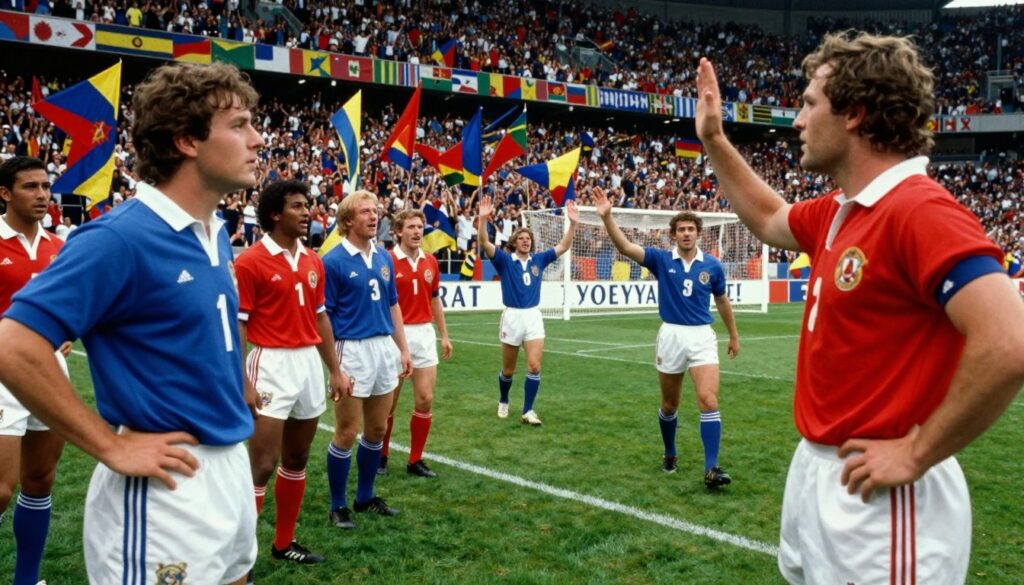
Por qué las historias de los subcampeones a menudo se convierten en clásicos de la liga
Carreras de subcampeones Añade dramatismo. Cuando una temporada termina con una derrota ajustada, los aficionados reviven los partidos clave y los traspasos durante años. El libro "Major League Champions" de Brucato incluso incluye a los equipos que quedaron en segundo lugar, lo que demuestra que la historia recuerda tanto los partidos reñidos como a los campeones.
Cómo las temporadas "casi" profundizan el significado de un campeonato
Utiliza un caso de casi victoria para ampliar tu perspectiva. Repite el partido crucial del subcampeón y verás cómo los pequeños detalles hicieron posible el título.
- Vuelve a la penúltima semana para sentir la presión.
- Compara los movimientos de plantilla que decidieron el resultado.
- Piensa en cómo esa historia del segundo puesto cambió la historia de este deporte.
| Aspecto | Valor de segundo lugar | Por qué es importante |
|---|---|---|
| Drama | Alto | Crea recuerdos duraderos |
| Contexto | Rico | Explica el desafío del ganador |
| Debate | En curso | Alimenta la historia y el análisis de los fans. |
Formatos de campeonato que generan una presión inolvidable
La forma en que se gana importa tanto como el hecho de ganar: los formatos crean los momentos narrativos que los aficionados recuerdan.
Eliminación directa frente a series: impulso y reinicio
Los torneos de eliminación directa obligan a tomar decisiones al instante. Una sola derrota te deja fuera de juego. Esto hace que cada jugada se sienta decisiva y aumenta el valor de los momentos clave.
Las series al mejor de dos funcionan de manera diferente. Una serie larga permite que el impulso se genere o se desvanezca. Puedes perder un partido y ajustar tus tácticas en el siguiente.
Resultado: Las noches individuales premian la urgencia; las series premian la profundidad y la recuperación, lo que transforma la forma en que recuerdas un campeonato.
El formato de todos contra todos y por qué los primeros partidos pueden parecer semifinales.
Los formatos de todos contra todos convierten cada partido en una batalla por puntos. Los desempates y los resultados de los enfrentamientos directos implican que una derrota temprana puede ser fatal.
Esa incertidumbre hace que muchos partidos tengan mucho en juego, como si fueran semifinales, especialmente al final de la fase de grupos.
Utilice una lente basada en registros: Las rachas invictas o los totales de puntos constantes significan cosas diferentes según el formato.
- El formato cambia la estrategia, el ritmo y lo que los aficionados llaman momentos decisivos.
- El impulso puede crecer exponencialmente o reiniciarse según la duración de la serie.
- Las reglas de todos contra todos pueden convertir los primeros partidos en encuentros cruciales.
| Formato | Tipo de presión | Cómo recuerdas las victorias |
|---|---|---|
| Eliminación simple | Inmediato, a vida o muerte. | Leyenda basada en momentos |
| Serie Lo Mejor de | Gradual, ajustable | Viaje y profundidad |
| Round-robin | Consistente, orientado a los puntos | Historias sobre récords y desempates |
Próximo: Verás estas ideas aplicadas a un ejemplo moderno con reglas y puntuación claras —el AEW Continental Classic— y cómo su estructura da forma a las semifinales y al drama de la final.
Aspectos básicos del AEW Continental Classic: el torneo moderno diseñado para la competencia limpia.
El AEW Continental Classic reduce el drama de la lucha libre a un formato que prioriza las reglas y es fácil de seguir. Los partidos importanLas matemáticas son sencillas y su aplicación mantiene claros los resultados.
Estructura de la Liga Azul y la Liga Oro
Dos grupos, Azul y Oro, compiten en formato de liguilla. Cada grupo cuenta con seis competidores, por lo que cada luchador se enfrenta a cinco oponentes.
Ese sistema implica que cada partido modifica la clasificación, y un solo resultado puede cambiar quién avanza.
Reglas continentales: límites estrictos y aplicación rigurosa.
Límite de tiempo de veinte minutos Mantiene un ritmo ágil y genera sensación de urgencia. No había nadie en primera fila. y se aplica una estricta política de no injerencia.
Cualquiera que sea sorprendido interfiriendo se arriesga a una prohibición de AEW, lo que hace que los movimientos finales y las cuentas de tres sean más limpios y propios de un deporte.
Sistema de puntos y desempate directo
Las victorias suman 3 puntos, los empates 1 y las derrotas 0. En caso de empate en el total de puntos, se decide por el historial de enfrentamientos directos, por lo que un partido que viste semanas antes puede determinar la posición final.
- Por qué funciona: Un sistema de puntuación y reglas transparentes convierte el drama en algo claro. registro Puedes rastrearlo.
- Impacto: Cada partido cuenta para la clasificación, así que sigue los resultados individuales para estar al tanto de lo que sucede.
Resumen del calendario del AEW Continental Classic: semifinales y finales en Worlds End en Chicago.
Planifica tu noche: Las semifinales y la final se disputarán en AEW Worlds End en Chicago, Illinois, el 27 de diciembre. Esa única fecha concentra la emoción y facilita el seguimiento de la competición.
Cómo funcionan los enfrentamientos de semifinales entre ligas diferentes
El cuadro empareja a cada ganador con el subcampeón opuesto. Esto significa que el ganador del equipo Azul se enfrenta al subcampeón del equipo Oro, y el ganador del equipo Oro se enfrenta al subcampeón del equipo Azul.
Por qué esto es importante: Los ganadores no se enfrentan inmediatamente a quienes ocupan el segundo lugar. Se ofrecen nuevos enfrentamientos y un breve reinicio táctico para los mejores jugadores.
Por qué el escenario Worlds End de Chicago eleva el momento del campeonato.
Celebrar las semifinales y la final en una misma noche hace que el campeonato parezca más importante. Un estadio lleno, la promoción del evento y una única ventana de transmisión le dan un peso histórico.
- La sincronización concentra la energía de los aficionados y el impulso televisivo.
- Los enfrentamientos entre equipos de diferentes ligas aumentan la variedad y la imprevisibilidad.
- El hecho de que cada partido se dispute en una sola noche hace que cada encuentro parezca decisivo.
| Evento | Fecha | Enfrentamiento | Ubicación |
|---|---|---|---|
| Semifinal A | 27 de diciembre | Ganador azul contra subcampeón oro | Worlds End, Chicago, IL |
| Semifinal B | 27 de diciembre | Ganador del oro contra subcampeón del azul | Worlds End, Chicago, IL |
| Final | 27 de diciembre | Ganadores de las semifinales | Worlds End, Chicago, IL |
Clasificación del AEW Continental Classic 2025 que puedes usar para revivir la historia.
La clasificación revela la trama del torneo: Quién lideró, quién remontó y qué partidos cambiaron el rumbo del encuentro.
Los líderes en puntuación azul y lo que revelan sus récords.
Kyle Fletcher y Kazuchika Okada lideran la tabla del equipo Azul con un balance de 3-2 y 9 puntos cada uno. Este resultado les permite ganar suficientes partidos para controlar la clasificación, pero ninguno de los dos dominó por completo.
Kevin Knight y PAC tienen cada uno 7 puntos tras una racha de 2-2-1. Sus empates los mantuvieron con vida y demuestran cómo un solo empate puede cambiar las reglas del cuadro.
Líderes en oro y la reñida lucha por los puntos.
Konosuke Takeshita lidera al equipo Gold con 4-0-1 y 13 puntos, una actuación que marca el ritmo. Jon Moxley le sigue con 3-2 (9), y Claudio con 2-2-1 (7). Estos resultados convierten al grupo perseguidor en una seria amenaza en Chicago.
Qué significan los empates en un caso de todos contra todos
Resumen de las reglas: Victoria = 3, empate = 1, derrota = 0; el desempate se decide por enfrentamiento directo. En este caso, un empate de 1 punto puede decidir quién avanza al consultar el historial de enfrentamientos directos.
| Piscina | Nombre | Registro | Agujas |
|---|---|---|---|
| Azul | Kyle Fletcher | 3-2 | 9 |
| Azul | Kazuchika Okada | 3-2 | 9 |
| Azul | Kevin Knight | 2-2-1 | 7 |
| Oro | Konosuke Takeshita | 4-0-1 | 13 |
| Oro | Jon Moxley | 3-2 | 9 |
Consejo rápido: Utiliza esta clasificación, junto con el análisis de enfrentamientos directos, como filtro para tu lista de seguimiento. Sigue los partidos clave que cambiaron puntos y revivirás la historia sin tener que ver cada minuto.
Cómo puedes crear tu propia lista de seguimiento a partir de torneos, ligas y récords de campeonatos.
Crea una lista de reproducción que se ajuste a tu estado de ánimo y a los momentos que más te gustan. Empieza por lo sencillo: elige un único objetivo (un año, un equipo o un formato) y deja que eso te ayude a definir qué vas a ver primero.

Elige un año y compara a los campeones de diferentes deportes.
Elige uno año y reúne a los campeones de diferentes deportes. Mira un momento destacado de cada final para sentir la presión en eventos cortos en comparación con temporadas largas.
Utiliza la herramienta Major League Champions de Brucato para obtener listas completas por año. Esto permite realizar comparaciones rápidas y precisas.
Elige un equipo o una ciudad y sigue su historia de campeonatos.
Analiza una franquicia o ciudad a lo largo de las décadas. Una lista ciudad por ciudad muestra patrones de sequías, dinastías y rachas decisivas que puedes explorar por épocas.
Este método facilita revivir momentos de identidad y ver cómo una sola persona... campeón La temporada se enmarca dentro de una historia más amplia.
Elige un formato y revive los mejores momentos que produce.
Decide si prefieres un drama instantáneo o una recompensa gradual. Si te encantan los finales súbitos, prioriza los eventos de eliminación directa. Si buscas emociones con una trama bien desarrollada, elige series largas o temporadas completas.
Consejo práctico: Si te enganchó la intensidad del CMB, opta por torneos internacionales de corta duración. Si prefieres un desarrollo más pausado, sigue la historia de las ligas y la trayectoria de las franquicias.
Pasos rápidos:
- Elige el tema principal: año, equipo/ciudad o formato.
- Para mayor precisión, utilice listas fidedignas (Brucato o registros oficiales).
- Selecciona tres partidos por cada enfoque: el primero, el punto de inflexión y el último.
Resultado: No es necesario verlo todo. Una buena selección te permite comprender a fondo la historia del deporte y los momentos clave.
Conclusión
Para terminar, una regla sencilla: Los formatos dan forma a la presión, y la presión forja los momentos que los aficionados atesoran.
Ahora tienes una forma flexible de revivir la historia del deporte sin complicaciones. Usa la breve lista de verificación que encontrarás aquí para elegir un recuerdo de un torneo o una larga trayectoria de campeonato y analiza las jugadas clave.
Recordar: Los formatos crean tensión: un giro inesperado en una semifinal se siente diferente a una final que se decide por una carrera o a una larga y reñida Serie Mundial. Esos momentos de presión son los que convierten a los jugadores en leyenda y una temporada en una historia.
Base su recuerdo con los ganadores rápidos y las instantáneas de MVP. Si desea un punto de partida rápido, utilice la concisa Clásico Mundial de Béisbol Luego, puedes pasar a un clip clásico de la Serie Mundial o a un partido del Clásico Continental que dependa de la clasificación.
Acción: Guarda esta guía en tus favoritos, elige un campeón o tres equipos clave y reconstruye tu recopilación personal de mejores jugadas a partir de esos momentos.
Preguntas frecuentes
¿Qué revivirás en esta guía de torneos pasados e historia del campeonato?
Revivirás los momentos clave de los campeonatos, los ganadores año tras año, los jugadores más destacados y los enfrentamientos clásicos de torneos y ligas. La guía destaca las semifinales, las finales y las jugadas decisivas para que puedas seguir el desarrollo de los campeones y cómo se establecieron los récords.
¿Cómo se seleccionaron los momentos para esta lista informativa?
La selección se centra en el impacto histórico, la relevancia competitiva y las actuaciones memorables. Los criterios incluyen la importancia del título, los resultados que establecieron récords y los momentos que cambiaron la historia del campeonato de una franquicia o nación.
¿Qué significa "mejores momentos" al comparar diferentes deportes y épocas?
“Los mejores momentos” se refiere a aquellos que marcaron resultados, demostraron un rendimiento excepcional o crearon recuerdos culturales imborrables. Encontrarás jugadas decisivas, triunfos contundentes y sorpresas que destacan en todas las plataformas y épocas.
¿Podrías darnos un breve glosario de torneo, liga, semifinales, campeón y récord?
Torneo: competición corta con fases eliminatorias o de todos contra todos. Liga: competición que dura toda la temporada y en la que los equipos acumulan récords. Semifinales: la ronda previa a la final. Campeón: el equipo que gana la final. Récord: los resultados documentados, como victorias y derrotas, o títulos obtenidos.
¿Por qué el contexto anual cambia la forma en que recordamos a un ganador?
El contexto añade importancia: las lesiones, los cambios en la plantilla y las reglas específicas de cada época influyen en los resultados. Un título puede tener un sabor diferente cuando pone fin a una sequía, culmina una dinastía o llega en medio de cambios en las reglas que modificaron el juego.
¿Cómo construyen los clásicos de la liga su historia a largo plazo?
Las rivalidades constantes, los enfrentamientos repetidos en los playoffs y los partidos de alto riesgo que se repiten crean historias que los aficionados reviven una y otra vez. Esos momentos recurrentes otorgan a las franquicias y ciudades una identidad de campeonato compleja y con múltiples matices.
¿Por qué es importante el Clásico Mundial de Béisbol para los aficionados estadounidenses y para el béisbol internacional?
El Clásico Mundial de Béisbol (CMB) exhibe el orgullo nacional, a los mejores talentos de la MLB con uniformes internacionales y ofrece competencia global. Permite a los aficionados apreciar diversos estilos y eleva a las estrellas internacionales a un escenario mundial.
¿Cómo influyen las semifinales y la final en la narrativa del Clásico Mundial de Béisbol?
Esas rondas intensifican el dramatismo: las rivalidades nacionales, los lanzamientos decisivos y la eliminación en un solo partido crean momentos clave que definen la historia y que los aficionados y los medios de comunicación repiten durante años.
¿Qué es lo más destacable de las victorias de Japón en el Clásico Mundial de Béisbol?
La regularidad de Japón refleja una gran cantera de talento, un excelente cuerpo de lanzadores y una sólida cohesión de equipo. Su éxito reiterado pone de manifiesto los sistemas de desarrollo y el énfasis nacional en los fundamentos.
¿Cuál fue el momento cumbre del campeonato para el equipo de Estados Unidos y por qué fue significativo?
El título de la selección estadounidense puso de manifiesto el talento nacional en el escenario internacional y generó grandes expectativas como anfitriona. La victoria validó la profundidad de la plantilla desarrollada en la MLB y reavivó el interés de los aficionados estadounidenses en el Clásico Mundial de Béisbol.
¿Cómo sirvió el campeonato invicto de la República Dominicana como caso de estudio?
Una racha invicta demuestra un equilibrio entre ataque y pitcheo, además de profundidad en las plantillas. Es un ejemplo de cómo el talento estelar combinado con la contribución de los jugadores de rol genera un desempeño dominante en el torneo.
¿Quiénes fueron los ganadores, subcampeones y jugadores más valiosos del CMB en años clave?
La guía enumera los resultados de 2006, 2009, 2013, 2017 y 2023, indicando el ganador, el subcampeón y el jugador más valioso (MVP) del torneo de cada año para una consulta rápida y para poder reproducir los mejores momentos.
¿Qué convirtió al Clásico Mundial de Béisbol de 2023 en un clásico instantáneo?
La racha invicta de Japón, las dramáticas remontadas en semifinales y la victoria por 3-2 en la final contra Estados Unidos generaron momentos de gran tensión. La actuación estelar de Shohei Ohtani, digna de un Jugador Más Valioso, aportó un gran atractivo y estadísticas dignas de récord.
¿Cómo se deben comparar las Series Mundiales y los campeonatos de las ligas estadounidenses?
Compara el formato, la importancia histórica y el impacto en los aficionados. Los formatos de serie premian la profundidad a lo largo de varios partidos; las finales únicas pueden decidirse en un solo momento. Esa diferencia define lo que se considera un "clásico".
¿Qué información se incluye en el registro al elaborar un mapa de los campeones de las Grandes Ligas en todos los deportes?
Los registros documentan los campeonatos por año, liga y franquicia, a menudo remontándose a los inicios del juego organizado. Ofrecen una cronología de quién dominó y cuándo surgieron o desaparecieron las franquicias.
¿Cómo te ayuda a revivir la historia la organización de los campeones por año, liga y franquicia?
Ofrece múltiples perspectivas: muestra el contexto de cada época año tras año, destaca el equilibrio competitivo liga por liga, y las cronologías de las franquicias revelan dinastías y procesos de reconstrucción.
¿Cómo el seguimiento de los campeonatos ciudad por ciudad ofrece una nueva forma de revivir momentos?
El seguimiento de los logros deportivos a nivel de ciudad vincula los campeonatos con la identidad local, destacando el éxito en diferentes disciplinas deportivas y cómo evoluciona la cultura deportiva de una región a lo largo de las décadas.
¿Cómo puedes crear tu propia lista de seguimiento a partir de torneos, ligas y récords de campeonatos?
Selecciona un año, un equipo o un formato. Utiliza los resúmenes anuales y los momentos más destacados de la guía para crear una lista de partidos, resúmenes de jugadas destacadas y vídeos documentales que se ajusten a tus intereses.
¿Por qué las historias de los subcampeones a menudo se convierten en clásicos de la liga?
Las temporadas en las que uno se queda a las puertas del éxito revelan garra, cambios tácticos y momentos desgarradores que dejan huella. Esas historias de segundos puestos profundizan el valor emocional de los campeones.
¿Cómo afectan los formatos de campeonato al impulso y la presión?
El formato de eliminación directa aumenta la presión de inmediato: una sola derrota te deja fuera de juego. Los formatos de serie permiten que los equipos se recuperen y se adapten. El formato de todos contra todos premia la regularidad, haciendo que cada partido sea crucial para la clasificación.
¿Cuáles son los aspectos básicos del AEW Continental Classic y por qué son importantes?
El Continental Classic utiliza ligas azules y doradas con formato de liguilla, un límite estricto de 20 minutos por partido y reglas antiinterferencias. Esta estructura fomenta una competencia clara y resultados decisivos.
¿Cómo funcionan los enfrentamientos de semifinales entre ligas diferentes en el Continental Classic?
Los mejores equipos de cada liga se enfrentan en semifinales eliminatorias, lo que crea nuevos duelos y pone a prueba cómo chocan los estilos de diferentes grupos bajo la presión del campeonato.
¿Por qué el escenario Worlds End de Chicago realza el Continental Classic?
El estadio de Chicago genera un ambiente vibrante, atrae a multitudes más grandes y capta la atención de los medios. Las finales que se celebran allí intensifican la emoción del momento y crean recuerdos imborrables del campeonato para los aficionados.
¿Cómo revelan las clasificaciones de la Liga Azul y la Liga Oro las historias que se desarrollan en los torneos?
La clasificación refleja consistencia, competencias reñidas y actuaciones destacadas. Los récords de los líderes muestran quién dominó el juego y qué partidos fueron decisivos para llegar a la final.
¿Qué significa un empate en un torneo de todos contra todos?
Un empate divide los puntos y puede ajustar la clasificación, haciendo que los desempates y los resultados de los enfrentamientos directos sean decisivos. Recompensa el rendimiento constante a lo largo de varios partidos.
¿Cómo se pueden seguir las trayectorias anuales, de ligas y de franquicias para detectar dinastías?
Analiza los títulos consecutivos, los patrones de agrupamiento y la continuidad de las plantillas. Los gráficos anuales muestran los picos, los gráficos de la liga revelan los ciclos competitivos y los gráficos de las franquicias exponen la excelencia sostenida.
¿Cómo contribuyen las temporadas en las que el campeonato casi se logra a profundizar su significado?
Las temporadas en las que el equipo no alcanza el éxito esperado adquieren peso narrativo: lecciones aprendidas, motivación para el año siguiente y el recuerdo que los aficionados tienen de lo cerca que estuvo de lograrlo. Esas historias realzan los triunfos posteriores.
¿Qué consejos prácticos te ayudan a revivir los años de campeonato como si fueran un resumen de los mejores momentos?
Céntrate en los partidos decisivos, las actuaciones estelares y los momentos clave. Crea listas de reproducción por año o equipo e incluye el contexto previo al partido para contextualizar cada momento y lograr un mayor impacto emocional.
¿Cómo se determinan los puntos y los desempates en las competiciones de todos contra todos?
Los puntos suelen premiar las victorias y los empates, mientras que los criterios de desempate se basan en los resultados de los enfrentamientos directos, la diferencia de goles o carreras, y luego en las métricas generales de puntuación para clasificar a los equipos.